One parent.
One email thread.
Twelve kids.
It started the way most good things in a neighborhood do — with a problem nobody else was solving. Maya Okonkwo had a nine-year-old who wanted to play soccer and no league within twenty minutes that didn't cost four hundred dollars and require tryouts.
So she sent an email. To the parents she knew from the school pickup line, from the library reading circle, from the block party she'd organized three summers running. Twelve families wrote back in forty-eight hours. One offered a minivan. One knew someone at the city parks department. One showed up that first Saturday with orange slices wrapped in foil, and nobody asked her to.
The cones were borrowed from a construction site on Elm Street. The field lines were painted by hand with a borrowed machine and a borrowed Saturday morning. The referee was a retired gym teacher named Gerald who charged nothing and brought his own whistle.
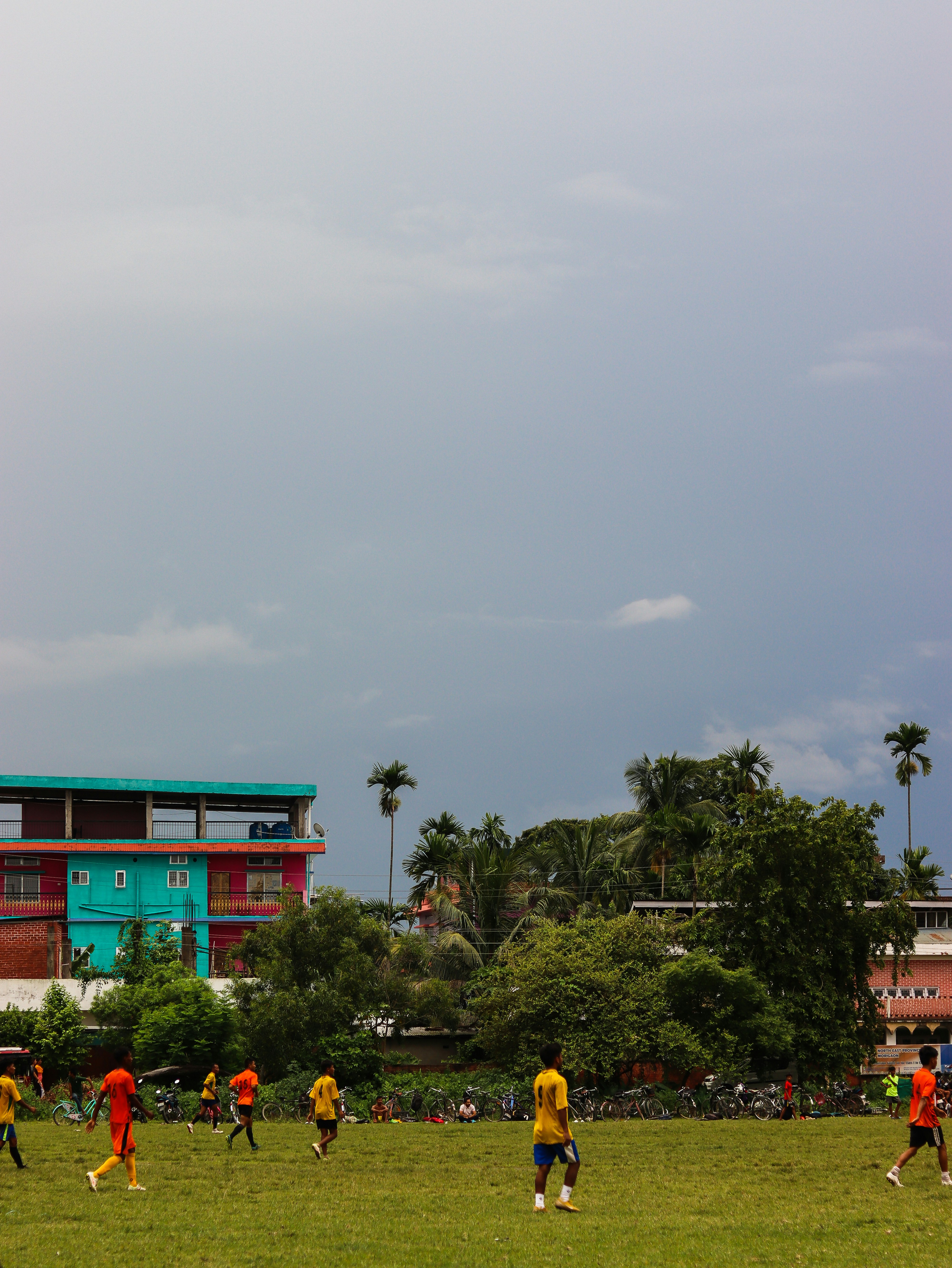
↑ First season, Riverside Park. Spring 2017.
Nobody was keeping score that first season. The kids were just running until their lungs burned, and the parents were just learning each other's names.— Maya Okonkwo, Founder
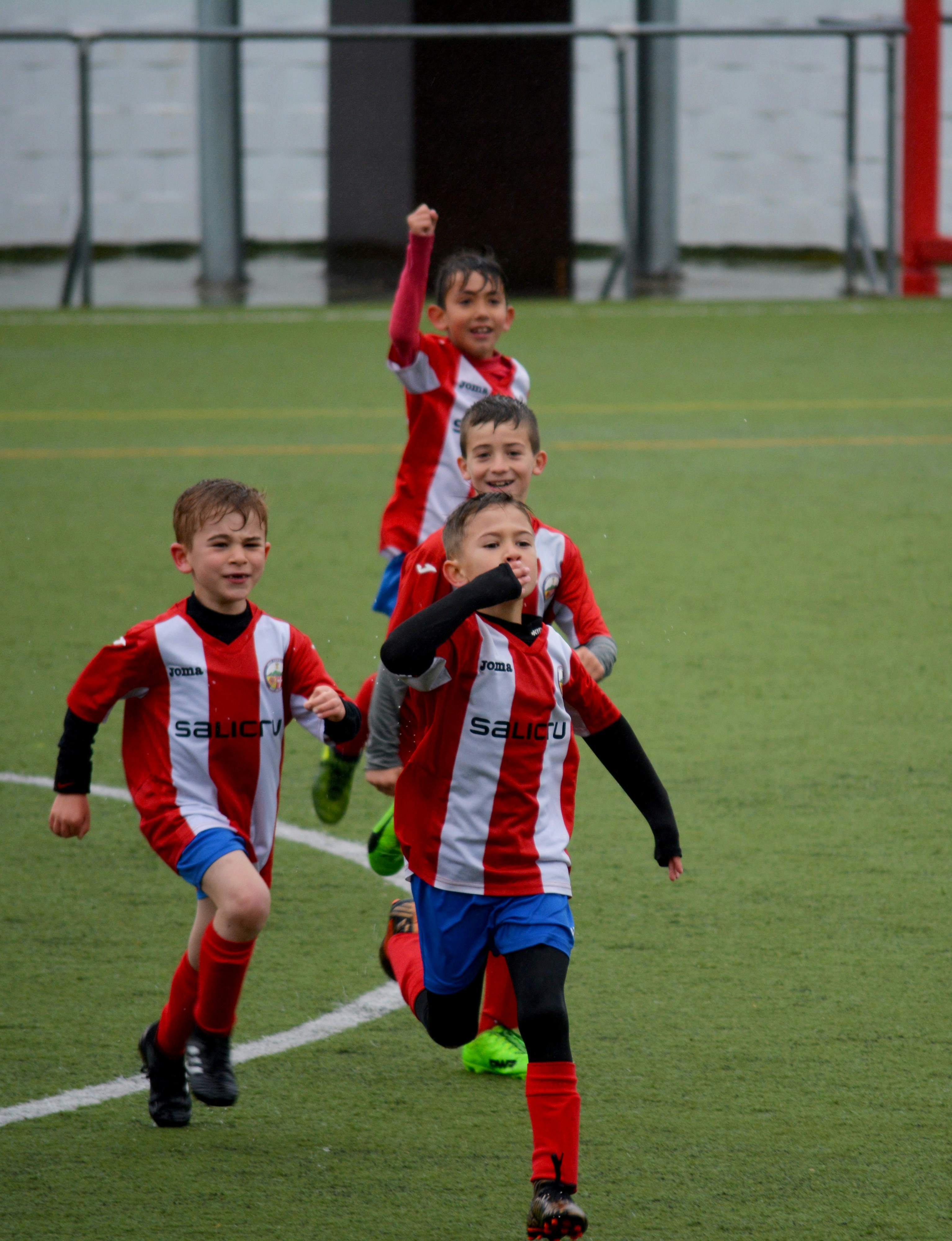
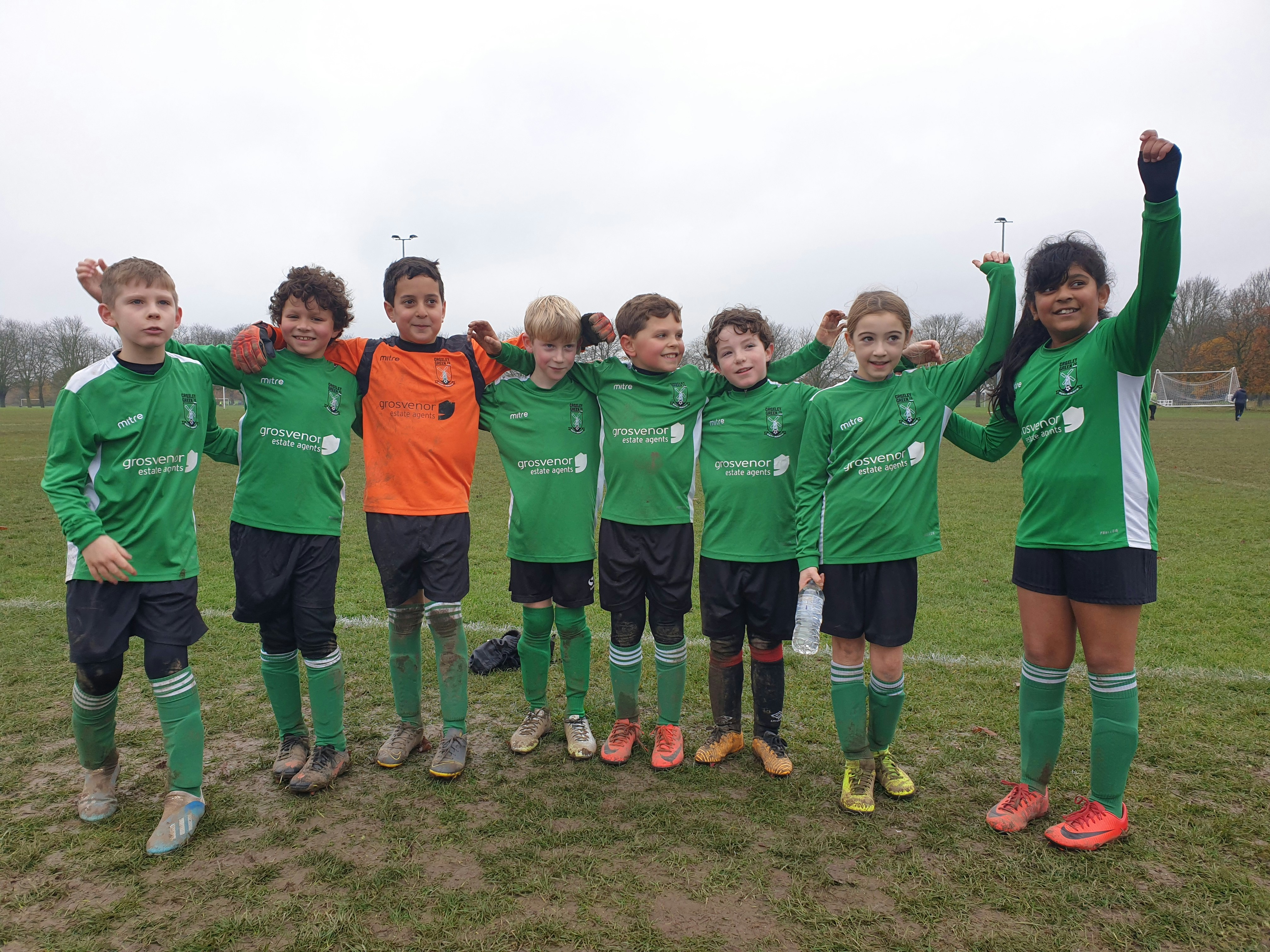
↑ The first real kits. Fall 2018 — donated by Hernandez Printing.
The year we got
real uniforms.
By the second fall, the league had grown to six teams. Parents were rotating Saturday duties — someone brought the first aid kit, someone else handled the schedule printed on a single sheet of paper that got rained on twice and laminated once.
Then Roberto Hernandez showed up at a Tuesday evening parents meeting with a box of sixty jerseys, red and white, screen-printed with the League name and a small number on the back. He owned a print shop on the other side of town and his daughter had just scored her first goal the weekend before. He said he charged for the materials. He did not charge for the materials.
The kids wore those jerseys like they'd earned them at the World Cup. A nine-year-old named Deja scored the first goal of the fall season in jersey number seven, and she cried. Her mother cried. Gerald the referee may have cleared his throat a little longer than usual between whistles.
The coach who drove
forty minutes each way.
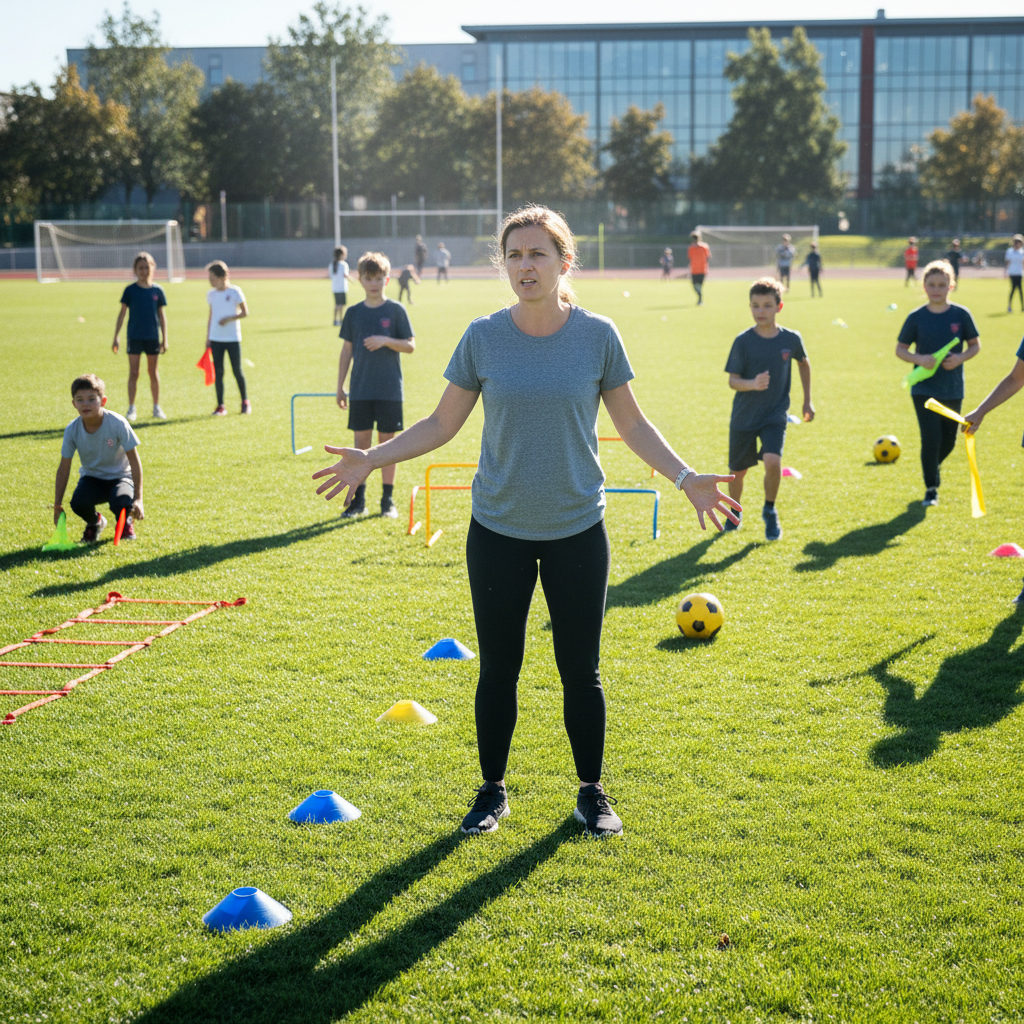
Coach Patricia Delgado doesn't live in the neighborhood. She never has. She found the League through a community board posting in 2019 and showed up to the volunteer meeting in a worn coaching vest she'd had since her college days at State.
She coaches the under-tens on Tuesday evenings and Saturday mornings. She drives forty minutes each way. When asked why, she says the same thing every time: "These kids remind me why I got into this. They haven't learned to be afraid to try yet."
Three of her former players have gone on to join competitive travel teams. Two more have become League volunteers themselves. The rest are just kids who learned to love Tuesdays.
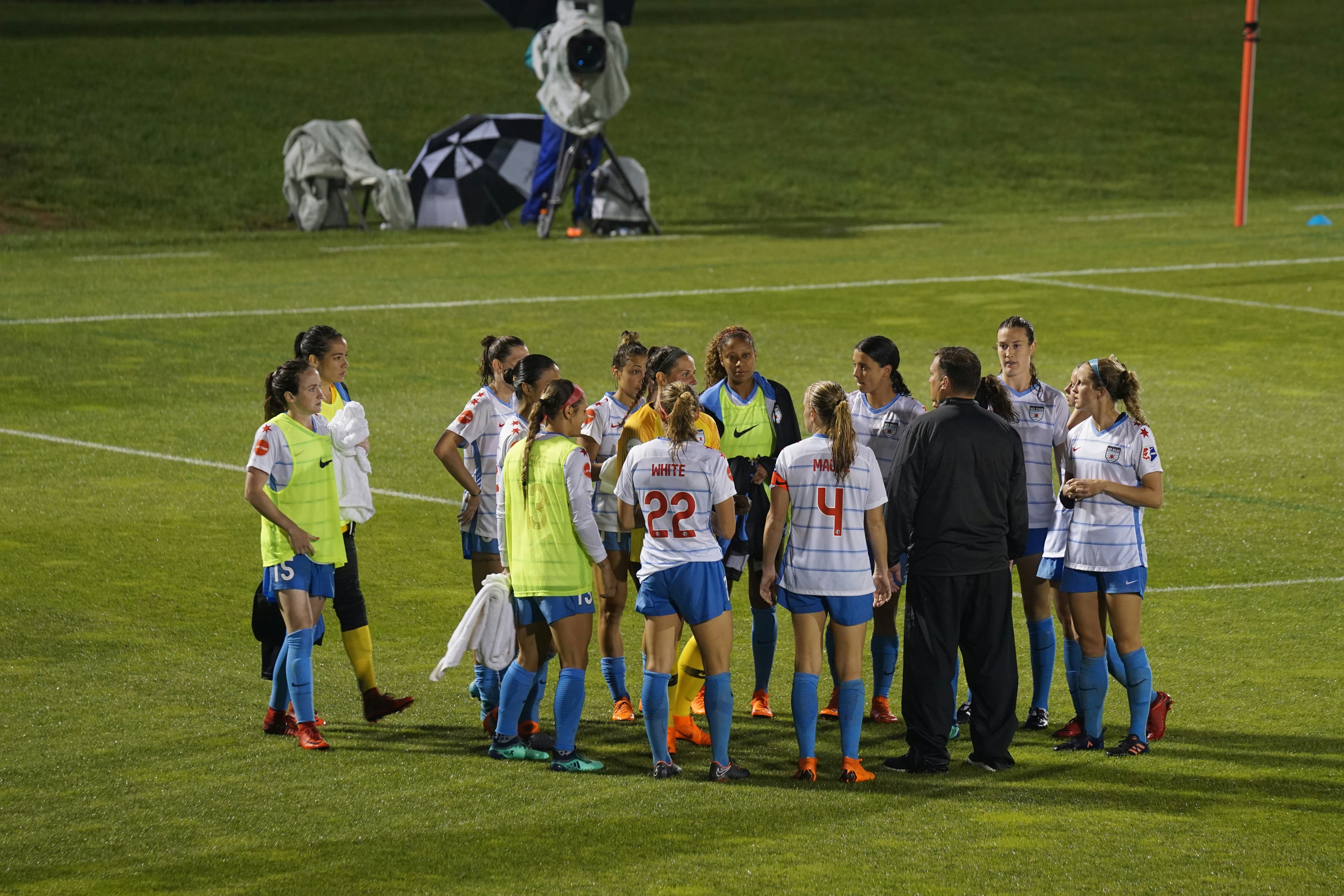
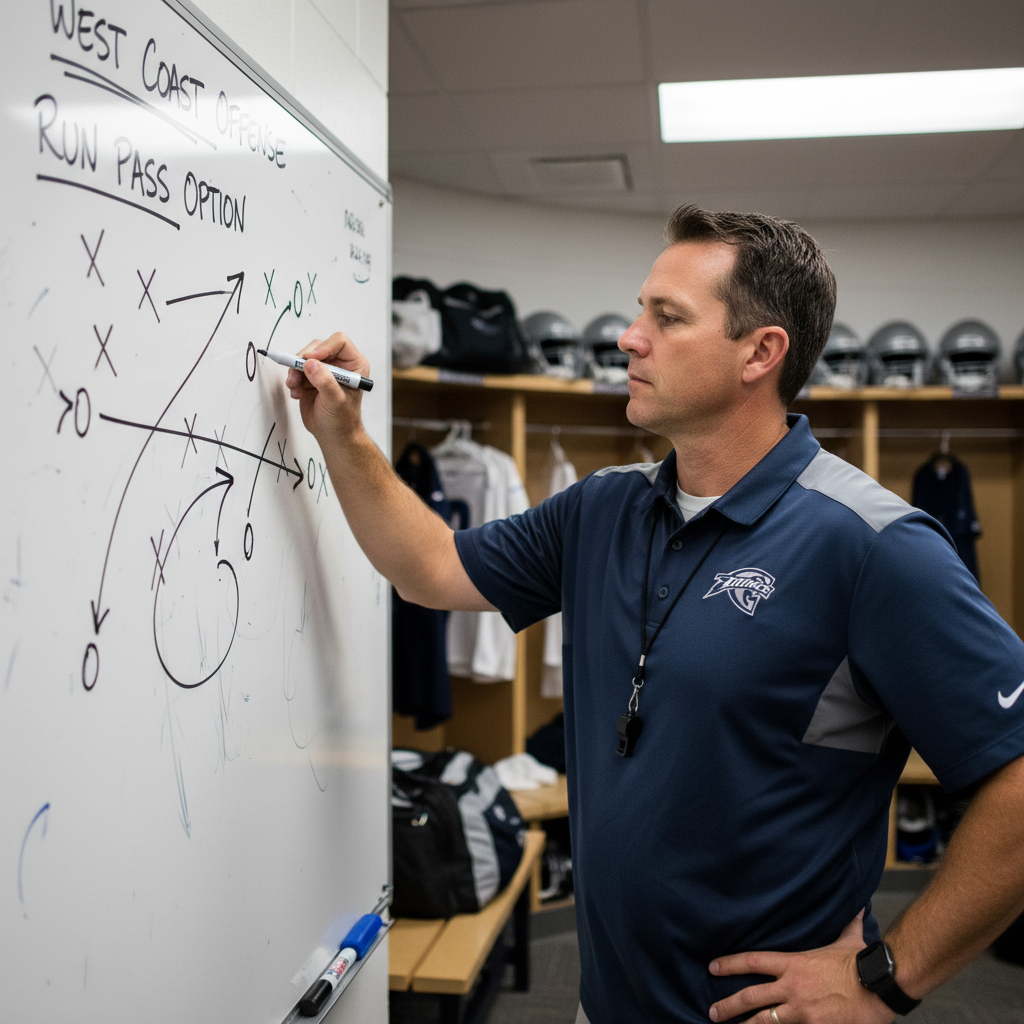
↑ Coach Patricia Delgado, Tuesday evening practice, 2024.